

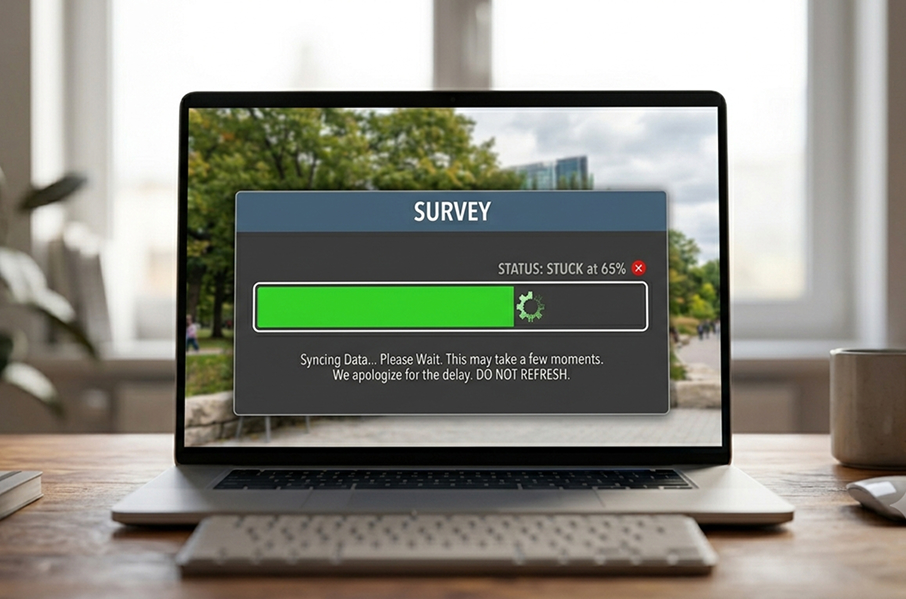
Customers are being asked to give more feedback than ever before. After product purchases and interactions with customer service reps, app feedback requests, as well as brand trackers and customer experience programmes. The sheer volume and frequency of feedback can feel overwhelming.
At the same time, insight teams are under pressure to answer more business questions across the organisation. The ESG team needs to understand sustainability perceptions, product teams need feedback on new launches, and IT need to know about the app experience. With increasing stakeholder demands, surveys can become long and complex.
Surveys take time, and in the “attention economy” you’re not only competing against other research requests, but also the slew of emails, notifications, and other digital distractions vying for your customers’ limited attention. So, when the demand for your customers’ attention exceeds their motivation to give it, they may end up with “survey fatigue.”
Survey fatigue is a serious problem for us researchers. If your customers feel overwhelmed by frequent requests for feedback or get frustrated with lengthy surveys, their engagement drops. Declining participation is the first warning sign, but another risk comes from bored or frustrated participants rushing through surveys and giving less consideration to their answers, simply to get to the end. This can lead to less robust sample sizes and poorer insight, which impacts the ability to make better business decisions.
If your participation rates are falling and the quality of responses are worsening, this could be an indicator of survey fatigue, and there are several questions you can ask to gauge if customers are becoming less engaged.
- Are you asking for feedback too often? While regular feedback is valuable, repeatedly surveying the same customers can overwhelm them, reducing participation rates
- Are your surveys longer than they need to be? Surveys should be focused and succinct. Every question should have a clear purpose. Trying to answer too many business questions at once can leave your surveys bloated, increasing respondent burn out.
- Has previous feedback been acted upon? If customers routinely feedback, but they don’t see anything change, their motivation to take part will decrease as they no longer see the purpose in doing so, feeling their time is being wasted.
- Are you properly incentivising participation? While many customers are happy to give feedback for free, longer surveys that require more time and effort may benefit from a reward, letting customers know their feedback is valued.
Addressing survey fatigue is a strategic problem, requiring a full review of your research approach. This is where a research agency can help.
An independent research partner can bring a fresh perspective, challenging legacy questions and focusing on what really matters. Drawing on experience across sectors and audiences, agencies can spot the early signs of survey fatigue, apply current best practices, and design research programmes that balance respondent engagement with the depth of insight needed.
They can also identify when alternative approaches, such as qualitative interviews or online communities, may deliver better results.